


Learning an Instrument vs. Music Education: How Music Shapes the Person Before the Musician
Discover the difference between learning an instrument and music education—and how music develops confidence, concentration, creativity, and emotional intelligence.
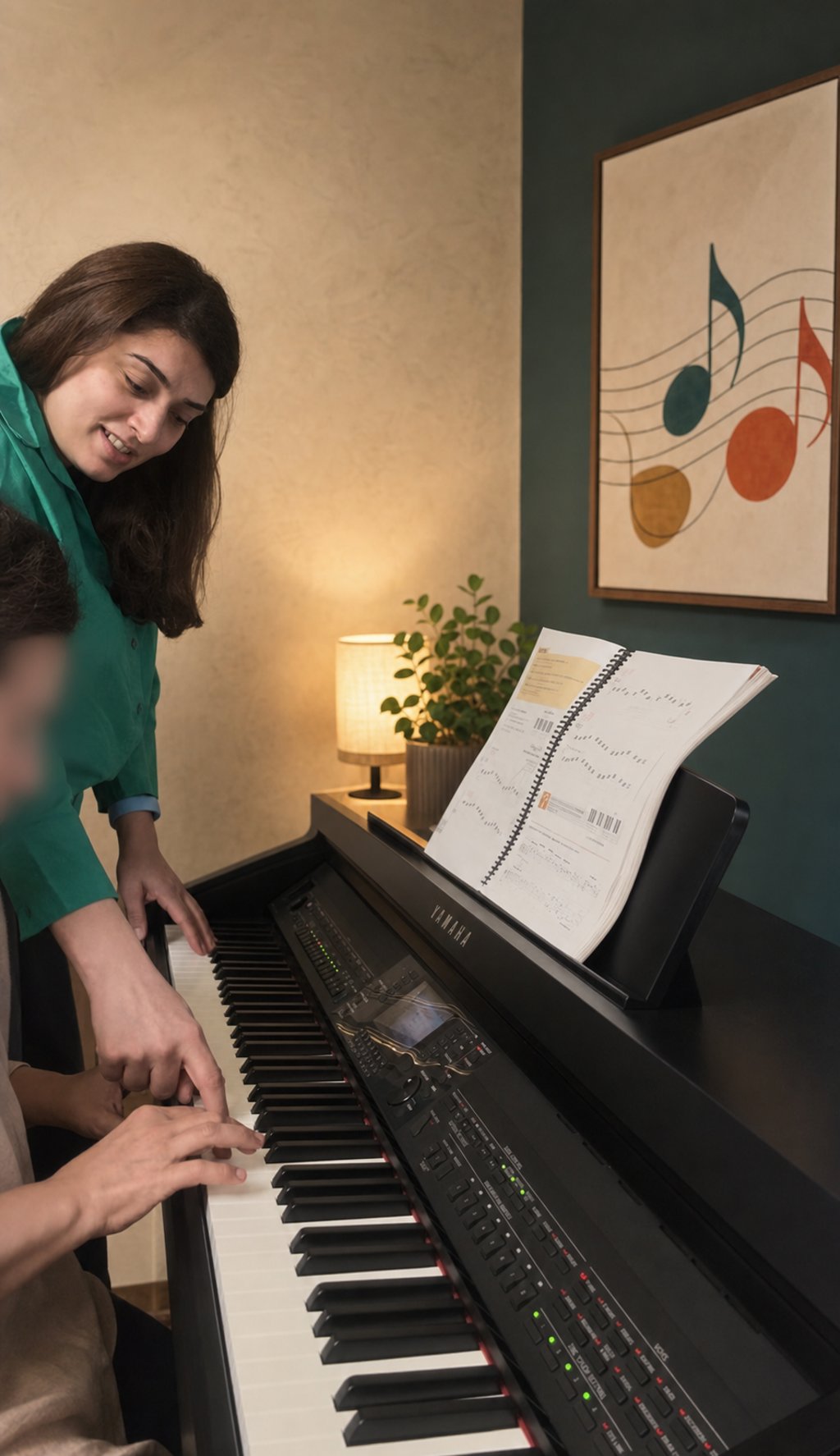
Learning an Instrument vs. Music Education: How Music Shapes the Person Before the Musician
Meta description: What is the difference between learning a musical instrument and receiving a music education? Discover how music education develops character, concentration, emotional intelligence, and creativity in children and adults.
The Difference Between Learning an Instrument and Music Education
Music Education Shapes the Person Before the Musician
Many people believe that learning music simply means learning to play an instrument such as the piano or violin. In reality, however, there is an important difference between learning a musical instrument and receiving a broader music education.
This difference goes beyond technical ability. It also influences a person’s intellectual, emotional, and social development.
What Does Learning a Musical Instrument Involve?
Learning an instrument focuses mainly on developing the skills required to play music. This usually includes:
Learning proper playing techniques
Reading musical notation
Developing speed, coordination, and accuracy
Performing musical pieces correctly
Preparing for examinations, concerts, or professional performance
This is a valuable and rewarding path, especially for students who want to perform or pursue music professionally. However, instrument lessons may sometimes focus more on the final result than on the broader educational journey.
What Is Music Education?
Music education is a wider and deeper concept. It includes instrumental learning, but it is not limited to playing an instrument.
Its purpose is to help students:
Develop musical hearing and artistic appreciation
Improve concentration, attention, and memory
Strengthen emotional intelligence
Express and understand emotions
Develop patience, discipline, and perseverance
Learn cooperation and teamwork
Explore music through movement, singing, rhythm, and listening
In music education, music is an educational tool before it becomes a performance skill.
Learning an Instrument and Music Education: What Is the Difference?
Learning an InstrumentMusic EducationFocuses primarily on playingFocuses on developing the whole personBuilds technical skillsSupports intellectual and emotional developmentOften aims toward performanceAims toward personal and creative growthUsually follows an individual approachCan be both individual and collaborativeOften begins with technique or notationBegins with listening, feeling, and musical exploration
The two approaches are not in conflict. On the contrary, they complement each other.
Why Is Music Education Important for Children?
Music education can support many areas of a child’s development. It may help children:
Improve language and communication skills
Strengthen concentration and organization
Develop listening and memory skills
Build confidence and independence
Express themselves creatively
Recognize and manage emotions
Learn patience and self-discipline
Connect and cooperate with others
It can also provide an inclusive and encouraging learning environment for children with different educational needs and learning styles.
For this reason, many modern schools treat music education as an essential part of a balanced curriculum rather than as an optional recreational activity.
Is Music Education Only for Children?
No. Adults can also benefit greatly from music education.
Learning music can offer adults a meaningful way to develop creativity, improve concentration, express emotions, and reconnect with curiosity and play. It can also provide a welcome pause from the pressures of everyday life.
A good music education respects every learner’s age, personality, objectives, and preferred pace.
Do Students Need Both?
Yes. The most effective musical learning combines music education with instrumental instruction.
When students first develop their listening skills, musical awareness, confidence, and emotional connection to music, learning an instrument becomes easier and more meaningful.
Technique helps students play, but music education helps them understand, feel, and communicate what they play. Together, they create musicians who are not only skilled but also expressive, thoughtful, and deeply connected to music.
Conclusion
Music education is not simply about producing accomplished performers. It helps develop:
Balanced, attentive, expressive, and emotionally aware individuals who can listen carefully and connect meaningfully with the world around them.
A skilled instrumentalist is shaped through practice. A musical human being is shaped through education.

Serving Students Across Jeddah and Saudi Arabia
In-person lessons are available across North Jeddah. Online piano lessons are available for students throughout Saudi Arabia and internationally.
Contact Info
Email: piano@aminapiano.com
Copyright © 2026 Amina Piano. All Rights Reserved.