


The Relationship Between Music Therapy and Music Education
Discover the difference between music therapy and music education, when each is needed, and how they work together to support learning, well-being, and personal development.
The Relationship Between Music Therapy and Music Education
By Amina Jamal El Din
Music Education and Piano Teacher
Introduction
Music has been used as a therapeutic tool for thousands of years. Arab scholars such as Al-Farabi and Ibn Sina (Avicenna) explored the relationship between music and well-being during the Abbasid era.
With the development of psychology and educational sciences—particularly since the 1970s—interest in this concept was renewed and developed through scientific research. This also had a direct influence on modern music education methods.
However, an important question remains:
What is the difference between music therapy and music education, and when do we need each one?
What Is Music Therapy?
Music therapy is the professional use of music and musical activities as therapeutic tools to address specific physical, psychological, emotional, or developmental needs.
A music therapist may use:
Instrumental playing
Singing
Improvisation
Songwriting and composition
Rhythmic movement
These activities are combined with:
Psychological techniques
An understanding of health and medical conditions
Clearly defined therapeutic goals
When Is Music Therapy Used?
Music therapy may be used as part of a broader care plan for people experiencing conditions such as:
Depression
Behavioral disorders
Alzheimer’s disease and other forms of dementia
Autism spectrum disorder
Learning difficulties
Certain chronic or health-related conditions
Music therapy requires specialized academic and clinical training that combines music with psychological, therapeutic, and health-related studies.
What Is Music Education?
Music education is a learning process that aims to:
Build musical knowledge and culture
Teach music theory
Develop instrumental skills
Nurture creativity and aesthetic awareness
Strengthen listening, expression, and musical understanding
A music educator:
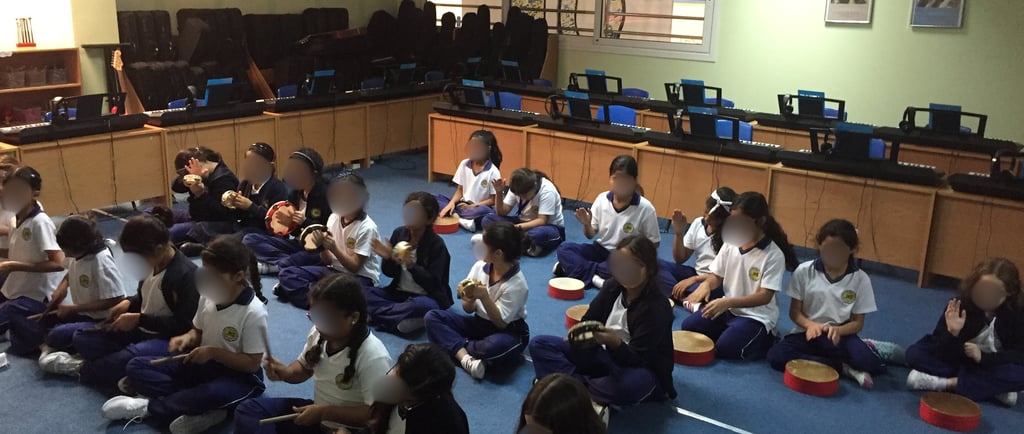
Teaches music individually and in groups
Uses movement, rhythm, and singing activities
Plans lessons according to clear educational objectives
Adapts activities to the learner’s age, level, and needs
A music educator’s training may include:
Educational psychology
Teaching methods
Solfège and ear training
Composition and improvisation
A principal musical instrument
The Difference Between a Music Therapist and a Music Educator
A music therapist uses music to work toward clinical or therapeutic goals. Their work may support a person’s emotional, psychological, physical, cognitive, or developmental needs.
A music educator uses music to achieve educational and developmental goals. Their work focuses on learning, creativity, musical understanding, and personal growth.
Although both professionals use music, they have different qualifications, responsibilities, and objectives.
What About Conservatory Graduates?
A graduate of a conservatory or higher institute of music is generally:
A highly trained performer on a principal instrument
Specialized in musical interpretation and performance
Qualified to participate in professional concerts and performances
However, a conservatory graduate is:
Not automatically a qualified music therapist
Not necessarily a trained music educator
Additional educational or therapeutic qualifications are required to practise professionally in either field.
Can a Music Educator Use Therapeutic Techniques?
A music educator can provide support, but only within educational and professional boundaries.
Music educators may:
Include movement-based activities
Use rhythm and singing
Create a supportive learning environment
Help reduce performance anxiety
Support confidence and emotional expression
Adapt activities for students with mild learning difficulties
However, clinical music therapy must be provided by an academically and clinically qualified music therapist.
When Do We Need a Music Therapist?
A qualified music therapist may be appropriate when a person has more complex needs, such as:
Severe depression or significant emotional difficulties
Alzheimer’s disease or another form of dementia
Complex behavioral challenges
Significant special or developmental needs
Chronic health conditions requiring deeper psychological support
In these situations, music therapy works alongside medical or psychological care, not as a replacement for it.
When Do We Need a Music Educator?
A music educator is the appropriate choice when the goal is to:
Learn to play a musical instrument
Study music theory
Develop creative and artistic skills
Improve concentration and self-confidence
Strengthen musical listening and expression
Receive educational support for mild emotional or learning challenges
An Integrated Approach: The Ideal Solution
In many educational environments, particularly inclusive classrooms, music educators and music therapists can work together.
The music educator focuses on teaching and musical development, while the music therapist guides activities connected to specific therapeutic objectives.
This collaboration can contribute to:
A more positive classroom environment
Effective support for students with additional needs
A healthy and balanced educational experience
Conclusion
Music therapy and music education are not opposing fields. They are distinct but complementary disciplines.
Just as healthcare relies on professionals with different areas of expertise, the world of music needs:
Music educators
Music therapists
Professional performers
Each has a different role, but they share a broader purpose:
To enrich people psychologically, intellectually, and aesthetically through music.
Are You Looking for Thoughtful Music Education That Suits Your Needs?
Book a short introductory session to discuss your goals and choose the most suitable learning path.

Serving Students Across Jeddah and Saudi Arabia
In-person lessons are available across North Jeddah. Online piano lessons are available for students throughout Saudi Arabia and internationally.
Contact Info
Email: piano@aminapiano.com
Copyright © 2026 Amina Piano. All Rights Reserved.